In this blog, you can read how to prevent cold air from entering through the letterbox and why many well-known solutions do not really solve the problem. We show you where the draught comes from, why makeshift solutions fall short and which approach does work in the long term.
Cold air and draughts through the letterbox
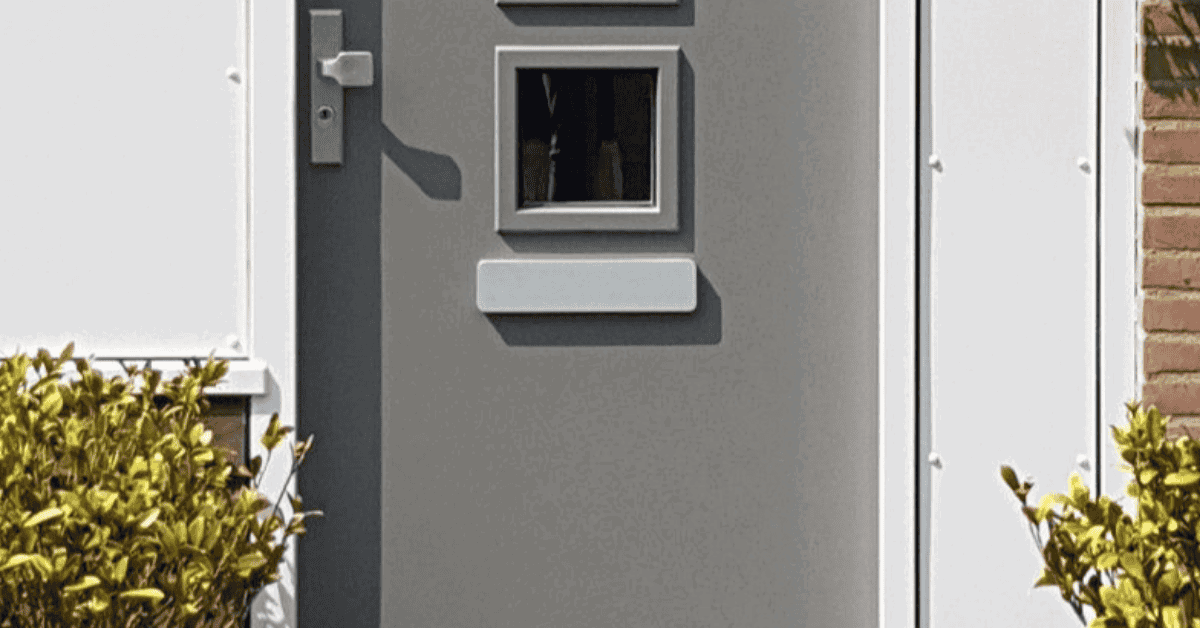
A cold hallway, draughts around your legs and a heating system that is constantly switching on. For many homeowners, the problem starts at the front door, and particularly at the letterbox. The letterbox forms a direct opening between the outside and inside, allowing cold air to flow freely. You can feel this immediately, especially when it is windy or cold outside.
Draughts in the home are often attributed to windows or large gaps, but in reality, the letterbox is one of the biggest culprits. Anyone who looks into draught problems in more detail will soon discover that this issue is closely related to other weak spots in and around the front door. For example, large gaps in the door often play an additional role, allowing cold air to spread even faster throughout the home.
The logical question that arises is: how do I prevent cold air from entering through the letterbox?
Why existing solutions do not work
Anyone who looks up this question will be presented with a deluge of supposedly clever solutions. The best known is the brush letterbox. This is supposed to stop draughts with brushes, but in practice this proves to be hardly effective. Brushes never seal completely, wear out quickly and always let air through. Especially in strong winds, cold air continues to flow in unhindered.
Letterbox flaps on the inside of the door are also often mentioned. Although they reduce the direct airflow slightly, cold air continues to accumulate between the flaps. Ultimately, you will still feel a draught in the hallway. This is particularly annoying because the hallway is often already a cold place in the house. Anyone wondering what can be done about this will find general advice about insulating the hallway, but as long as the letterbox remains an open connection, this is like trying to bail out a sinking ship.
In addition, there are DIY solutions such as draught strips, foam rubber or insulation flaps. These may seem creative, but they mainly cause frustration. They come loose, block the post and do not solve the real problem. Just like making the front door draught-free, these solutions attempt to hide a fundamental design problem rather than solve it.
All these solutions have one major drawback: they attempt to block air in a place that is simply not suitable for this purpose.
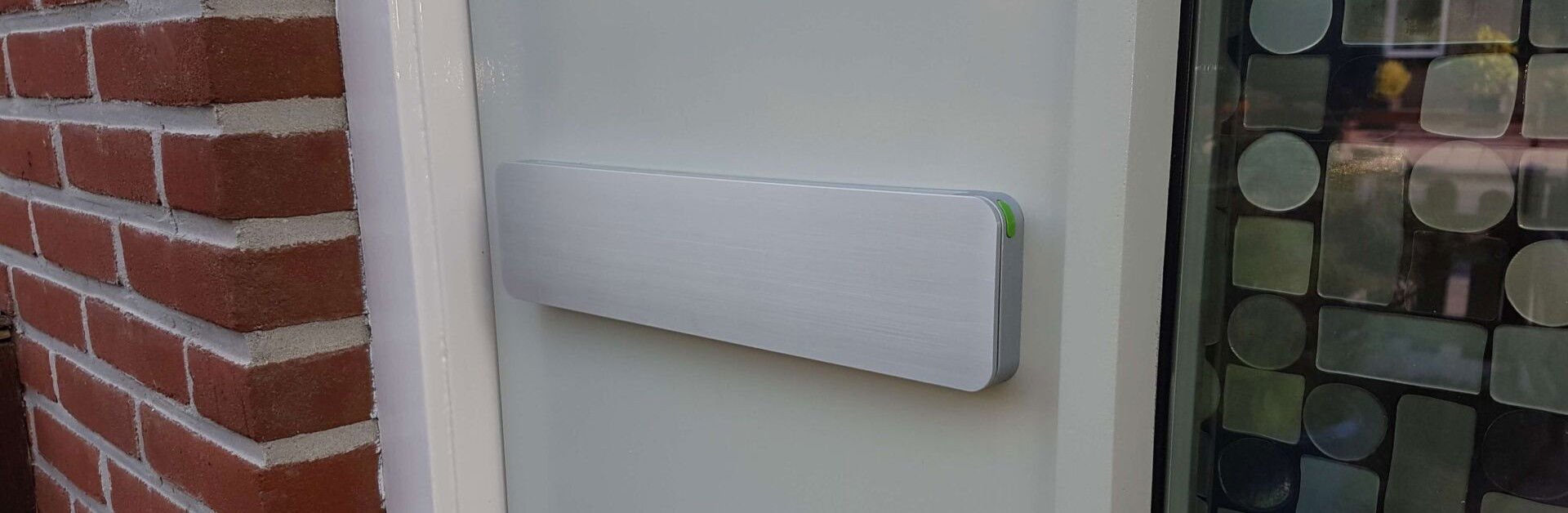
Only the Homebox truly prevents draughts through the letterbox.
The only real solution is not to seal the letterbox, but to eliminate the problem entirely. That is exactly what the
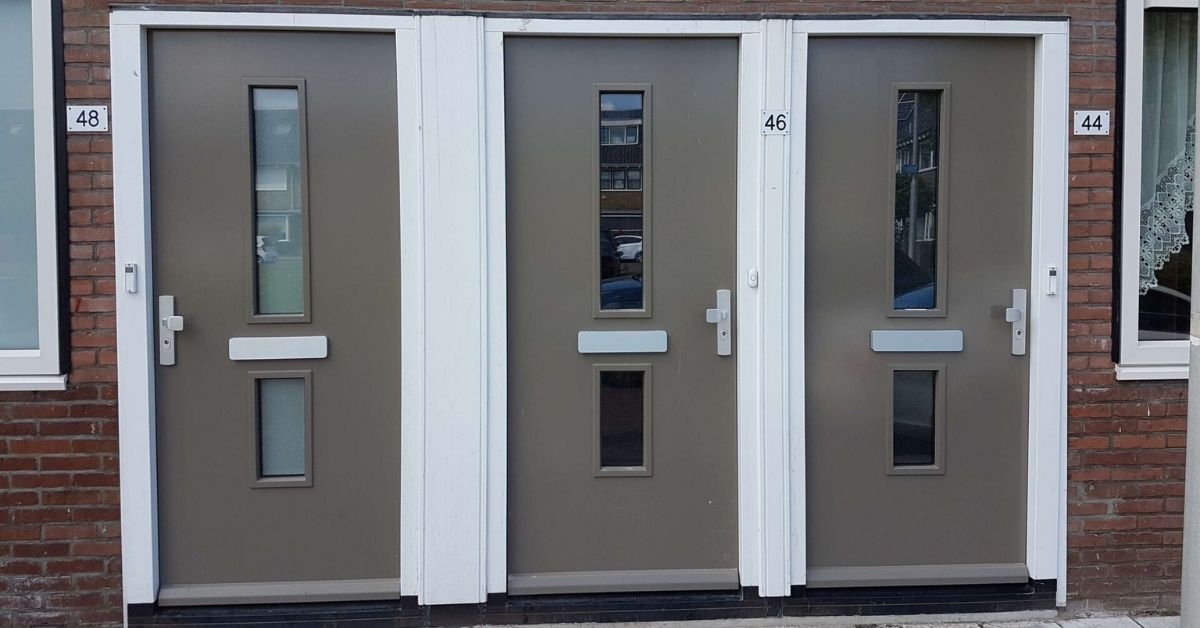
This means that there is no longer a direct opening between the outside air and the interior space. Cold air simply cannot enter anymore. Unlike all other solutions, the Homebox works structurally and permanently. There is no wear and tear, no air leaks and no compromise.
You will notice the effect immediately. The hallway will feel warmer, draughts will disappear completely and the heating will not need to work as hard. This fits in perfectly with other measures to make your home more comfortable, but without half measures.
Conclusion
Draughts coming in through the letterbox are not a minor inconvenience, but a structural problem that has a major impact on comfort and energy consumption. Brush letterboxes, draught strips and flaps seem attractive, but they all fail because they do not address the root of the problem.
If you really want to prevent cold air from entering through the letterbox, choose a solution that no longer allows air to pass through. The Homebox is the only solution that actually does this by placing the letterbox completely outside the home. This eliminates draughts permanently, without makeshift solutions and without compromises.